



Introduction
In today’s competitive B2B landscape, understanding how buyers make purchasing decisions has become more important than ever. Customers no longer follow a simple path from awareness to purchase. Instead, they interact with multiple channels, consume different types of content, compare competitors, and conduct extensive research before making a final decision. This is where buyer journey mapping plays a critical role in improving sales conversions.
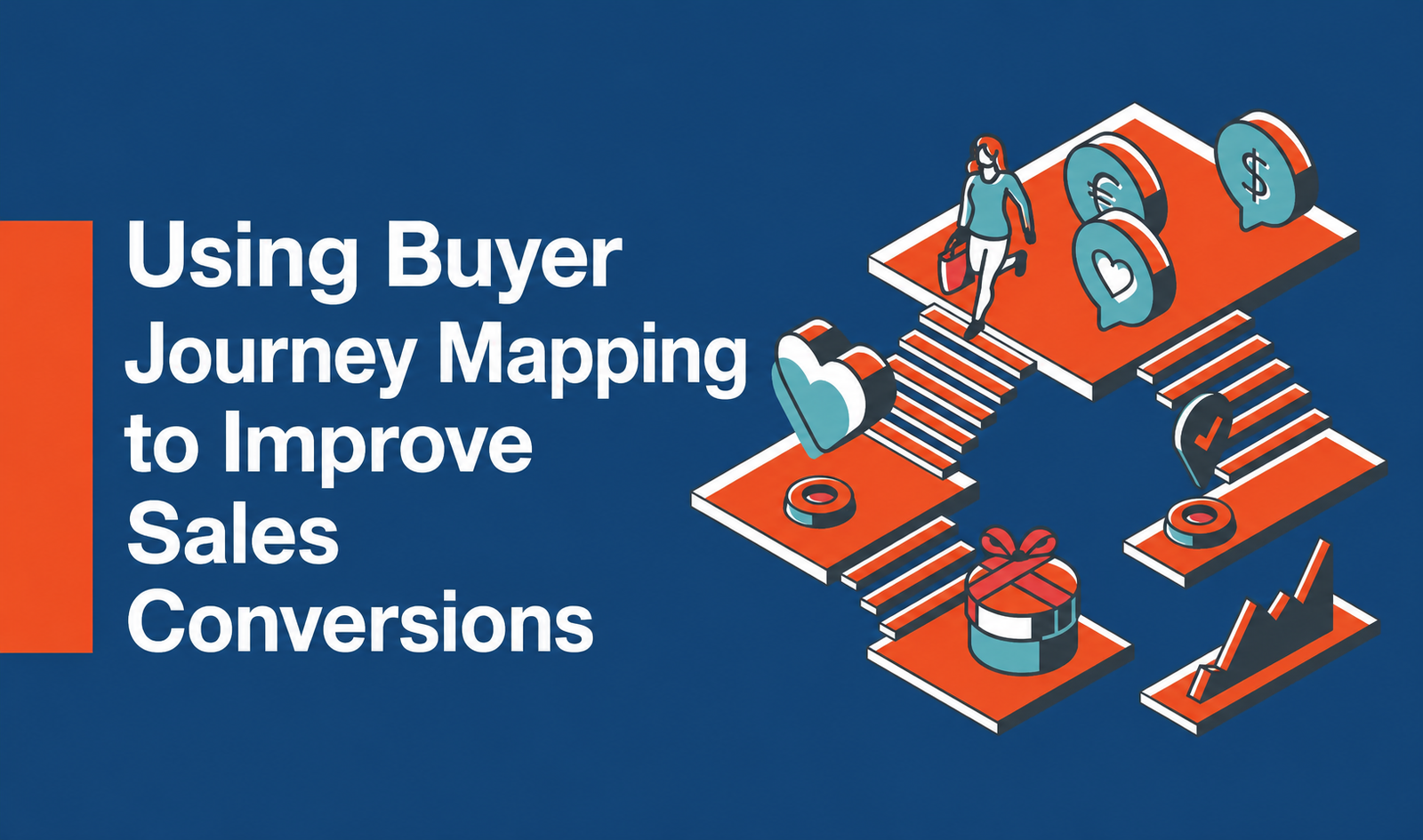
Buyer journey mapping is the process of visualizing and understanding every stage a potential customer goes through before becoming a paying client. By identifying customer behaviors, pain points, and decision-making patterns, businesses can create targeted sales and marketing strategies that guide prospects toward conversion more effectively.
What Is Buyer Journey Mapping?
Buyer journey mapping refers to the strategic process of tracking and analyzing how prospects interact with a business across various touchpoints. It helps organizations understand what buyers need at each stage of the purchasing process and how they move from initial awareness to final purchase.
Typically, the buyer journey is divided into three primary stages:
- Awareness Stage
- Consideration Stage
- Decision Stage
Each stage represents a different mindset, and businesses must tailor their messaging and engagement strategies accordingly.
Why Buyer Journey Mapping Matters in B2B Sales
Modern B2B buyers expect personalized experiences and relevant communication throughout their purchasing journey. Without a clear understanding of customer behavior, sales teams may struggle to deliver the right message at the right time.
Buyer journey mapping helps organizations:
- Identify customer pain points
- Improve lead nurturing strategies
- Align marketing and sales efforts
- Deliver personalized customer experiences
- Increase conversion rates
- Reduce sales cycle duration
When businesses understand their customers better, they can build stronger relationships and create more effective conversion strategies.
Understanding the Awareness Stage
The awareness stage is where potential buyers first recognize a problem or business challenge. At this point, they are searching for information, educational resources, and industry insights rather than looking for a specific product or vendor.
Businesses should focus on providing valuable and informative content that helps prospects understand their challenges. Blog posts, webinars, whitepapers, social media content, and educational videos can be highly effective during this stage.
For example, a company offering cybersecurity solutions may publish content about emerging cyber threats and data protection strategies to attract potential buyers who are beginning their research journey.
The primary goal during the awareness stage is to build trust and establish brand credibility rather than pushing immediate sales.
Enhancing Engagement During the Consideration Stage
Once buyers clearly define their problem, they move into the consideration stage. Here, prospects actively evaluate different solutions, vendors, and technologies available in the market.
This stage requires businesses to provide more detailed and solution-oriented content. Case studies, product comparisons, expert consultations, and industry reports become valuable tools for influencing buyer decisions.
Sales and marketing teams should work together to nurture leads through personalized communication and targeted campaigns. Understanding buyer intent and engagement behavior can help businesses recommend the most relevant solutions.
Important strategies during the consideration stage include:
- Sharing customer success stories
- Offering product demos or free trials
- Conducting personalized email campaigns
- Providing ROI-focused content
- Addressing customer objections proactively
Organizations that effectively support buyers during this stage are more likely to move prospects toward final conversion.
Optimizing the Decision Stage for Higher Conversions
The decision stage is the final phase of the buyer journey where prospects are ready to choose a vendor or solution provider. At this point, buyers are looking for reassurance, proof of value, and confidence in their purchasing decision.
Sales teams should focus on simplifying the decision-making process by offering clear pricing, implementation support, and strong customer references. Personalized sales presentations and direct consultations can help address final concerns and accelerate conversions.
Businesses can improve decision-stage conversions by:
- Providing detailed product demonstrations
- Offering customized pricing plans
- Sharing testimonials and client reviews
- Highlighting measurable business outcomes
- Delivering responsive customer support
A smooth and transparent buying experience often becomes the deciding factor in competitive B2B markets.
Aligning Sales and Marketing Through Journey Mapping
One of the biggest advantages of buyer journey mapping is improved alignment between sales and marketing teams. In many organizations, marketing generates leads while sales teams struggle to convert them due to inconsistent messaging or lack of customer insights.
Journey mapping creates a unified understanding of customer behavior, allowing both teams to collaborate more effectively. Marketing teams can create targeted campaigns based on buyer intent, while sales teams can engage prospects with personalized conversations that address specific needs.
This alignment improves lead quality, enhances customer engagement, and increases overall sales efficiency.
Using Data and Analytics to Improve Buyer Journeys
Data plays a vital role in understanding how buyers interact with a business. By analyzing website behavior, email engagement, CRM insights, and customer feedback, organizations can continuously optimize their buyer journey strategies.
Advanced analytics tools and AI-driven platforms now allow businesses to predict buyer intent and identify high-conversion opportunities more accurately.
Key metrics businesses should monitor include:
- Website engagement rates
- Content download activity
- Email open and response rates
- Sales pipeline progression
- Customer retention metrics
- Conversion rates across touchpoints
Continuous analysis helps organizations refine their messaging and eliminate friction points within the customer journey.
Personalization as a Conversion Driver
Personalization has become one of the most powerful elements of successful buyer journey mapping. Modern buyers expect businesses to understand their industry challenges, preferences, and business goals.
Companies that personalize communication based on buyer behavior and intent often experience significantly higher engagement and conversion rates. Personalized recommendations, industry-specific content, and tailored outreach campaigns create a more meaningful customer experience.
Instead of using generic messaging, businesses should focus on delivering relevant solutions that directly address the buyer’s needs at each stage of the journey.
Common Challenges in Buyer Journey Mapping
Although buyer journey mapping offers significant benefits, many organizations face challenges during implementation. One common issue is the lack of accurate customer data, which makes it difficult to understand buyer behavior fully.
Other challenges include:
- Poor sales and marketing collaboration
- Inconsistent customer communication
- Limited visibility into buyer intent
- Difficulty tracking multi-channel interactions
- Rapidly changing customer expectations
Businesses must regularly update their journey maps to reflect evolving buyer behaviors and market trends.
Conclusion
Buyer journey mapping has become an essential strategy for improving B2B sales conversions in the modern digital landscape. By understanding how customers move through the awareness, consideration, and decision stages, businesses can create more personalized and effective engagement strategies.
Organizations that invest in buyer journey mapping gain deeper customer insights, improve sales and marketing alignment, and deliver better customer experiences throughout the purchasing process. As competition continues to grow, companies that successfully optimize the buyer journey will be better positioned to increase conversions, build stronger customer relationships, and drive long-term business growth.
