

Close Menu
Tech Line MediaTech Line Media
  • Home
  • About Us
  • B2B Blogs
  • Digital Marketing
  • HR
  • IT
  • Sales
  • Contact Us
Facebook X (Twitter) Instagram
  • Privacy Policy
  • Cookie Policy
  • California Policy
  • Opt Out Form
  • Subscribe
  • Unsubscribe
Tech Line Media
  • Home
  • About Us
  • B2B Blogs
  • Digital Marketing
  • HR
  • IT
  • Sales
  • Contact Us
Tech Line MediaTech Line Media
Home»B2B Blogs»Sustainability and Social Impact: New Drivers of B2B Buying Decisions
Sustainability and Social Impact: New Drivers of B2B Buying Decisions
B2B Blogs

Sustainability and Social Impact: New Drivers of B2B Buying Decisions

Tech Line MediaBy Tech Line MediaNovember 21, 2025Updated:November 21, 2025No Comments2 Mins Read
Share
Facebook Twitter LinkedIn Email

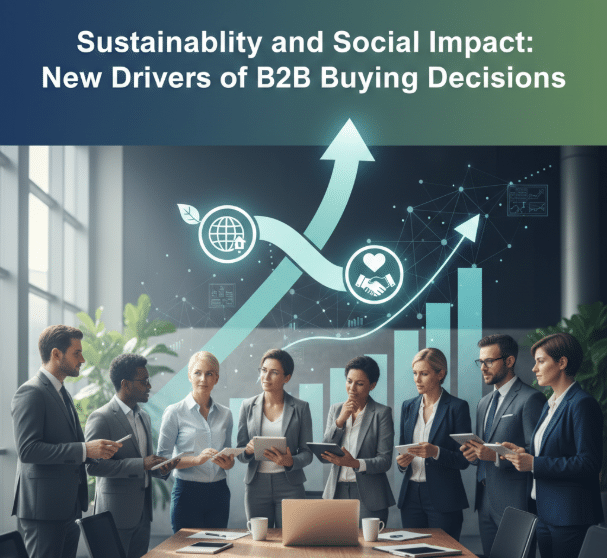
Have you ever wondered why sustainability has become a critical factor in B2B purchasing decisions? Or why more companies are prioritizing social impact when selecting vendors? Today, sustainability and social responsibility are no longer optional—they are key drivers of revenue, trust, and long-term business growth. Regulatory pressures, such as stricter carbon emission standards and ESG reporting requirements, mean that businesses must demonstrate measurable sustainability practices to remain competitive. Buyers increasingly prefer partners whose values align with their own, seeking vendors committed to reducing environmental footprints, supporting communities, and fostering ethical labor practices.

Sustainability also makes financial sense. Companies that adopt eco-friendly operations—like energy-efficient systems or low-waste manufacturing—often see cost savings that buyers notice. Moreover, vendors who innovate with green products or circular supply chains stand out in an increasingly competitive market. Social impact matters as well; businesses that invest in community programs, fair labor standards, and diversity initiatives build stronger, long-term relationships with their clients. Younger decision-makers, particularly Millennials and Gen Z in procurement and leadership roles, are driving this shift, emphasizing ethical practices as a core part of purchasing decisions.

Ultimately, sustainability and social responsibility are reshaping how B2B buyers evaluate vendors. Companies that embrace these practices, track measurable ESG metrics, and communicate their impact clearly will not only gain trust and loyalty but also secure a competitive advantage in today’s purpose-driven market.

Share. Facebook Twitter Pinterest LinkedIn Tumblr Email
Tech Line Media
  • Website

Related Posts

E-E-A-T in SEO: Building Trust and Authority for Better Rankings

July 6, 2026

First-Party Data Strategies for a Cookieless B2B Future

June 19, 2026

Why B2B Buyers Trust Human-Led Content More Than AI-Generated Content

May 8, 2026

Responsible AI in Marketing: Ethics, Trust & Compliance

April 27, 2026
Add A Comment
Leave A Reply Cancel Reply

Latest Posts

The Manager Compression Effect:Why AI Could Make Middle Management Smaller, but Far More Important

July 29, 2026

The Role Fragmentation Crisis:Why One Job Title May Soon Represent Five Different Jobs

July 28, 2026

The Corporate Intelligence Gap:Why AI Is Growing Faster Than Organizational Decision-Making

July 27, 2026

The Knowledge Exit Problem:Why Companies Lose More Value After an Employee Resigns Than During the Hiring Gap

July 24, 2026
Our Picks

The Internal Talent Marketplace Is About to Become More Important Than the Description

July 30, 2026

The Manager Compression Effect:Why AI Could Make Middle Management Smaller, but Far More Important

July 29, 2026

The Role Fragmentation Crisis:Why One Job Title May Soon Represent Five Different Jobs

July 28, 2026

Subscribe to Updates

Come and join our community!

    Privacy Policy

    Facebook X (Twitter) Instagram
    • Privacy Policy
    • Cookie Policy
    • California Policy
    • Opt Out Form
    • Subscribe
    • Unsubscribe
    © 2026 Tech Line Media. All Rights Reserved.

    Type above and press Enter to search. Press Esc to cancel.