




Background verification has become a critical part of modern hiring. Organizations invest significant time and resources validating candidate credentials, employment history, educational qualifications, certifications, and professional achievements before making hiring decisions. However, traditional verification methods are often slow, expensive, and prone to inaccuracies.
As businesses continue to embrace digital transformation, blockchain technology is emerging as a promising solution to address these challenges. By creating secure, tamper-proof, and verifiable employee credentials, blockchain has the potential to fundamentally reshape how organizations conduct background checks and verify professional qualifications.
Instead of relying on multiple intermediaries and manual verification processes, blockchain-based credential systems enable employers to access trusted information instantly while giving individuals greater control over their professional records.
As workforce mobility increases and remote hiring becomes more common, blockchain-powered verification may become a key component of the future hiring ecosystem.
The Challenges of Traditional Background Verification –
Traditional background verification often involves contacting educational institutions, previous employers, certification providers, and third-party verification agencies. This process can take days or even weeks to complete, especially when multiple sources need to be verified.
In addition to delays, organizations frequently encounter challenges such as incomplete records, inconsistent documentation standards, and fraudulent credentials. Resume embellishment and qualification misrepresentation remain ongoing concerns for employers across industries.
The growing volume of job applications has further increased the complexity of verification processes. HR teams are under pressure to validate candidate information quickly while maintaining accuracy and compliance.
These limitations highlight the need for a more efficient and trustworthy verification framework.
Understanding Blockchain-Based Credentials –
Blockchain-based employee credentials are digital records stored on a decentralized ledger. Unlike traditional databases, blockchain records cannot be altered or deleted once they are verified and recorded. This creates a secure and permanent record of an individual’s professional achievements and qualifications.
Educational institutions, certification providers, employers, and training organizations can issue verified digital credentials directly onto a blockchain network. Individuals can then share these credentials with prospective employers without requiring repeated verification requests.
Because each credential is cryptographically secured, employers can quickly confirm its authenticity while reducing the risk of fraud or manipulation.
This approach transforms credentials from static documents into trusted digital assets.
How Blockchain Improves Credential Verification –
The primary advantage of blockchain technology is trust. Every credential recorded on the blockchain includes a verifiable history that confirms its source and authenticity.
When a candidate presents a blockchain-based credential, employers can validate it directly through the network rather than contacting multiple organizations for confirmation. This significantly reduces administrative effort and verification timelines.
The decentralized nature of blockchain also improves security. Records are distributed across multiple nodes rather than stored in a single centralized database, reducing vulnerability to unauthorized changes or data tampering.
As a result, organizations gain access to more reliable information while candidates benefit from faster hiring processes.
Key Benefits of Blockchain-Based Employee Credentials –
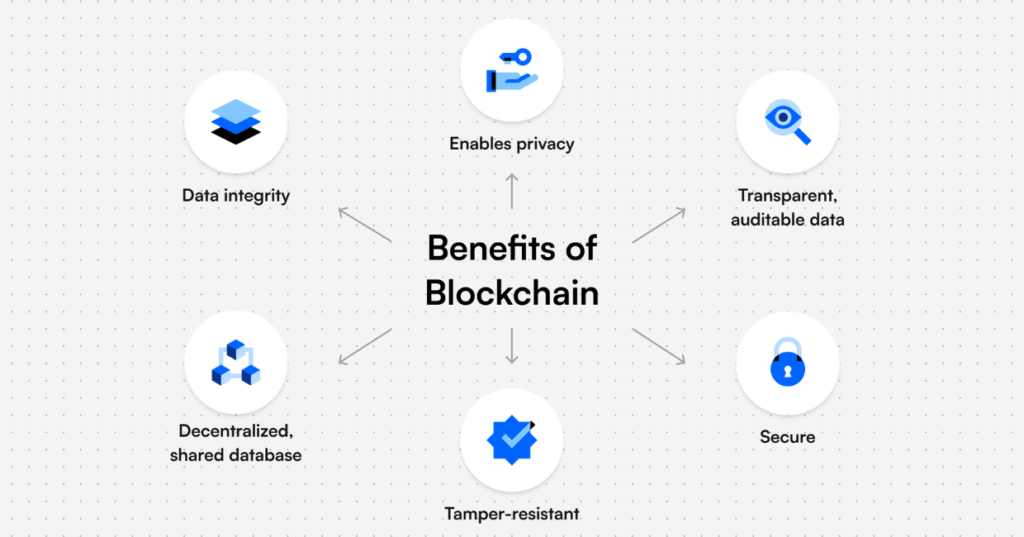
| Benefit | Impact on Background Verification |
|---|---|
| Credential Authenticity | Reduces fraudulent qualifications |
| Faster Verification | Accelerates hiring decisions |
| Enhanced Security | Protects records from tampering |
| Reduced Administrative Costs | Minimizes manual verification efforts |
| Global Accessibility | Supports international hiring |
| Candidate Ownership | Gives individuals control over credentials |
| Improved Compliance | Creates transparent audit trails |
| Data Integrity | Ensures long-term record accuracy |
These advantages make blockchain a compelling technology for modern workforce management.
Reducing Credential Fraud –
Credential fraud remains a significant concern for employers worldwide. Fake degrees, altered certifications, and fabricated employment histories can lead to poor hiring decisions and organizational risk.
Blockchain technology addresses this issue by creating immutable records issued directly by trusted authorities. Once a university, certification body, or employer publishes a credential to the blockchain, its authenticity can be verified instantly.
This makes it far more difficult for individuals to present falsified qualifications or manipulate existing records.
For employers, this level of transparency reduces uncertainty and improves confidence in hiring decisions.
Empowering Employees with Digital Credential Ownership –
Traditional verification systems often place control of professional records in the hands of institutions and third-party providers. Employees frequently need to request transcripts, certificates, or employment verification letters whenever they apply for new opportunities.
Blockchain changes this dynamic by enabling individuals to maintain a secure digital portfolio of verified credentials. Candidates can selectively share relevant information with employers while maintaining ownership of their records.
This approach simplifies career transitions and allows professionals to demonstrate their qualifications more efficiently throughout their careers.
As workforce mobility increases, portable and verifiable credentials become increasingly valuable.
Supporting Global Hiring and Remote Work –
The rise of remote work and international recruitment has created new verification challenges for employers. Validating educational qualifications and employment records across different countries often requires navigating varying standards and verification processes.
Blockchain-based credentials offer a standardized method for sharing trusted information across geographic boundaries. Employers can verify credentials regardless of where they were issued, reducing delays and administrative complexity.
This capability is particularly important for multinational organizations seeking to recruit talent from global markets.
As remote hiring continues to grow, secure digital credential systems may become essential for efficient workforce expansion.
The Role of Smart Contracts in Verification –
Smart contracts are self-executing programs that operate on blockchain networks. They can automate many aspects of credential management and verification.
For example, smart contracts can automatically verify certification validity, confirm expiration dates, and trigger credential updates when new qualifications are earned. This automation reduces manual intervention and ensures that records remain current.
Organizations can also use smart contracts to manage compliance requirements and automate auditing processes.
By combining blockchain records with intelligent automation, businesses can create highly efficient verification workflows.
Challenges to Adoption –
Despite its potential, blockchain-based credentialing faces several adoption challenges. One of the most significant barriers is industry-wide standardization. For blockchain credentials to achieve widespread acceptance, educational institutions, employers, certification providers, and regulators must agree on common frameworks.
Privacy concerns must also be carefully addressed. While blockchain offers strong security, organizations must ensure compliance with data protection regulations and provide individuals with appropriate control over their information.
Additionally, implementation costs and integration requirements may slow adoption for some organizations.
Overcoming these challenges will require collaboration among technology providers, educational institutions, businesses, and policymakers.
Blockchain and the Future of HR Technology –
The integration of blockchain into HR processes extends beyond credential verification. Organizations are exploring its potential for workforce identity management, payroll processing, employee records management, and compliance tracking.
As HR technology ecosystems become increasingly interconnected, blockchain may serve as a trusted foundation for managing employee data throughout the entire employment lifecycle.
The technology’s ability to create secure, transparent, and verifiable records aligns closely with the growing demand for digital-first workforce solutions.
Many experts believe blockchain could eventually become a standard component of modern HR infrastructure.
The Future of Background Verification –
The future of background verification is likely to be faster, more secure, and increasingly digital. Instead of relying on fragmented verification processes and manual document reviews, organizations will move toward real-time validation of trusted digital credentials.
Blockchain technology provides the foundation for this transformation by creating a secure environment where credentials can be issued, shared, and verified with confidence.
As adoption expands, employers may spend less time verifying information and more time evaluating candidate skills, experience, and cultural fit.
This shift has the potential to improve both hiring efficiency and candidate experience.
Conclusion –
Blockchain-based employee credentials represent a significant evolution in background verification. By providing secure, tamper-proof, and instantly verifiable records, blockchain technology addresses many of the challenges associated with traditional credential verification processes.
Organizations can reduce fraud, accelerate hiring, improve compliance, and lower administrative costs, while employees gain greater control over their professional identities and achievements.
Although challenges related to standardization, privacy, and adoption remain, the long-term potential of blockchain in workforce verification is substantial.
As businesses continue to embrace digital transformation, blockchain-based credentials may become the foundation of a more trusted, efficient, and transparent hiring ecosystem—reshaping how qualifications are verified in the years ahead.
