



Introduction
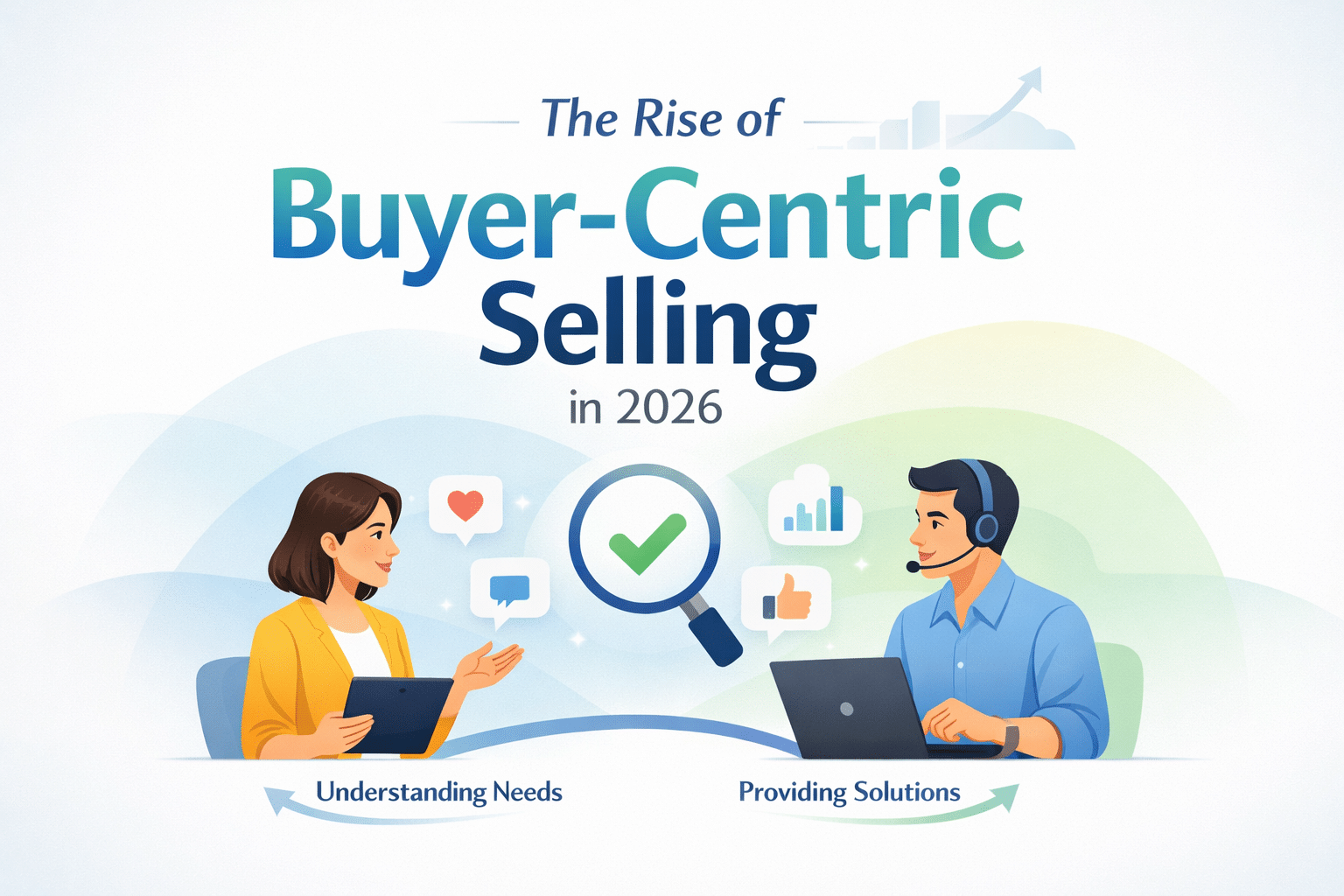
B2B sales in 2026 has fundamentally shifted from a seller-driven approach to a buyer-centric model. In the past, sales teams controlled the flow of information and guided prospects through a fixed funnel. Today, buyers are far more informed, independent, and selective. They prefer to research, compare, and evaluate solutions on their own before engaging with a sales representative. This change has forced organizations to rethink their strategies and place the buyer at the center of every interaction.
Buyer-centric selling focuses on understanding the customer’s needs, challenges, and goals rather than simply promoting a product or service. It emphasizes delivering value, building trust, and creating meaningful experiences throughout the buyer journey. As competition increases and attention spans decrease, businesses that fail to adapt to this model risk losing relevance.
What is Buyer-Centric Selling?
Buyer-centric selling is an approach where the sales process revolves around the buyer’s needs instead of the seller’s agenda. Rather than pushing products, sales professionals act as consultants who guide buyers toward the most suitable solution. This approach requires a deep understanding of the customer’s pain points, decision-making process, and desired outcomes.
At its core, buyer-centric selling is built on a few essential ideas:
- understanding the buyer’s challenges in depth
- delivering personalized and relevant communication
- focusing on value and outcomes rather than features
By aligning with how modern buyers make decisions, this strategy creates a more natural and effective sales experience.
Why Buyer-Centric Selling is Rising in 2026
The rise of buyer-centric selling is closely tied to changes in buyer behavior and technological advancements. Modern buyers are no longer dependent on sales representatives for information. They conduct extensive research online, read reviews, and compare alternatives before making decisions. By the time they interact with a sales team, they already have clear expectations.
Traditional sales tactics such as cold calling and generic outreach are becoming less effective because they fail to address the specific needs of buyers. Instead, buyers expect relevant, personalized interactions that demonstrate a clear understanding of their situation. At the same time, the growth of digital platforms has made self-service buying more common, allowing customers to explore solutions at their own pace.
This shift has made it essential for sales teams to adapt. They must move from pushing products to providing insights, guidance, and value at every stage of the buyer journey.
Key Principles of Buyer-Centric Selling
Deep Customer Understanding
A strong buyer-centric strategy begins with a deep understanding of the customer. Sales teams must go beyond surface-level information and explore the buyer’s goals, challenges, and motivations. This often involves analyzing data, studying customer behavior, and engaging in meaningful conversations.
Value-Driven Conversations
In a buyer-centric approach, the focus shifts from product features to the value those features deliver. Buyers are more interested in outcomes, such as increased efficiency, cost savings, or revenue growth. Sales conversations should clearly demonstrate how a solution addresses specific problems and creates measurable impact.
Active Listening and Empathy
Listening plays a crucial role in understanding buyer needs. Instead of dominating the conversation, sales professionals must pay close attention to what the buyer is saying and respond thoughtfully. This creates a sense of trust and ensures that solutions are aligned with actual requirements.
Trust and Transparency
Trust has become a key factor in decision-making. Buyers prefer honest and transparent communication over exaggerated claims. Being upfront about both strengths and limitations helps build credibility and long-term relationships.
Benefits of Buyer-Centric Selling
Adopting a buyer-centric approach leads to several important benefits. One of the most noticeable is improved conversion rates, as buyers are more likely to engage with solutions that directly address their needs. Additionally, this approach strengthens relationships by focusing on long-term value rather than short-term gains.
Another advantage is the potential to shorten sales cycles. When buyers receive relevant information and clear guidance, they can make decisions more quickly. At the same time, customer satisfaction increases because solutions are tailored to real challenges, leading to repeat business and referrals.
How to Implement Buyer-Centric Selling
Implementing buyer-centric selling requires a strategic shift across the organization. Sales and marketing teams must work closely together to ensure consistent messaging and a seamless buyer experience. This alignment helps deliver the right content at the right time, supporting buyers throughout their journey.
Technology also plays a significant role in this transformation. Tools such as CRM systems, analytics platforms, and AI-driven insights enable sales teams to better understand customer behavior and predict needs. However, technology alone is not enough. Organizations must also invest in training their sales teams to develop skills such as consultative selling, communication, and empathy.
Content creation is another critical component. High-quality, informative content helps educate buyers and build trust before direct engagement even begins. By providing valuable insights through blogs, case studies, and other formats, businesses can position themselves as trusted advisors.
Challenges of Buyer-Centric Selling
Despite its advantages, adopting a buyer-centric approach is not without challenges. One of the main difficulties is the need for a cultural shift within the organization. Moving from a product-focused mindset to a customer-focused one requires changes in thinking, processes, and performance metrics.
Additionally, delivering personalized experiences can be time-consuming and resource-intensive. It requires access to accurate data and the ability to analyze it effectively. Without the right systems in place, managing this level of personalization can become complex.
The Future of Buyer-Centric Selling
As technology continues to evolve, buyer-centric selling will become even more advanced. Artificial intelligence and data analytics will enable deeper insights into customer behavior, allowing businesses to deliver highly personalized experiences at scale. The focus will increasingly shift toward creating seamless, intuitive, and value-driven interactions across all touchpoints.
In the future, successful sales organizations will be those that can combine human understanding with technological capabilities. They will anticipate buyer needs, provide timely solutions, and create experiences that go beyond simple transactions.
Conclusion
The rise of buyer-centric selling in 2026 highlights a fundamental change in the B2B sales landscape. Buyers are now in control of their journey, and they expect meaningful, personalized, and value-driven interactions. Businesses that adapt to this shift by prioritizing customer needs and building trust will gain a significant competitive advantage.
While transitioning to a buyer-centric model requires effort, the long-term benefits make it essential. Companies that embrace this approach will not only close more deals but also build stronger relationships and achieve sustainable growth in an increasingly competitive market.
