



Introduction
In today’s competitive business environment, organizations need more than effective human resource management to achieve sustainable growth. They need a strategic approach to managing people, improving workforce productivity, and aligning employee capabilities with business objectives. This is where HR Business Partners (HRBPs) play a critical role. By connecting human resource strategies with organizational goals, HR Business Partners help businesses improve performance, strengthen leadership capabilities, and build a productive workforce.
Traditionally, HR departments focused primarily on administrative responsibilities such as recruitment, payroll management, employee documentation, and policy implementation. However, modern organizations increasingly expect HR teams to contribute directly to business planning and decision-making. HR Business Partners help bridge this gap by working closely with business leaders, department managers, and executive teams to identify workforce challenges and develop practical solutions that support business growth.
As organizations adopt digital technologies, expand into new markets, and respond to changing workforce expectations, the role of HRBPs continues to evolve. They use workforce analytics, talent management strategies, employee engagement initiatives, and organizational development practices to improve business outcomes. By ensuring that the right people have the right skills, resources, and leadership support, HR Business Partners help organizations create a strong foundation for long-term success.
What Is an HR Business Partner?
An HR Business Partner is a human resources professional who collaborates with business leaders and department managers to align people strategies with broader organizational objectives. Unlike HR professionals who focus primarily on administrative processes, HRBPs take a strategic approach to workforce management, helping organizations address challenges related to talent acquisition, employee performance, leadership development, workforce planning, and organizational effectiveness.
HR Business Partners develop a deep understanding of the organization’s business model, operational priorities, industry challenges, and growth plans. This understanding allows them to identify how workforce capabilities influence business performance. For example, if a company plans to expand its operations, an HRBP can work with department leaders to evaluate staffing requirements, identify skill gaps, plan recruitment activities, and prepare employees for new responsibilities.
HRBPs also serve as trusted advisors to managers and senior executives. They provide insights into employee engagement, workforce productivity, organizational structure, and talent retention. By combining HR expertise with business knowledge, they help leaders make informed decisions that benefit both employees and the organization. This strategic partnership makes HR Business Partners valuable contributors to organizational performance.
The Importance of HR Business Partners in Modern Organizations
Organizations operate in an environment where employee expectations, technological advancements, and business priorities change rapidly. Managing these changes requires a coordinated approach to workforce planning, employee development, and organizational transformation. HR Business Partners help organizations respond effectively by ensuring that human resource strategies remain aligned with changing business requirements.
One of the most important contributions of HRBPs is their ability to connect workforce decisions with measurable business objectives. Instead of treating recruitment, training, engagement, and retention as separate HR activities, they evaluate how these functions influence operational efficiency, customer satisfaction, revenue growth, and overall business performance.
For example, a company experiencing high employee turnover may initially view the issue as a recruitment problem. However, an HR Business Partner can investigate underlying causes such as ineffective leadership, limited career development opportunities, excessive workloads, or poor employee engagement. By identifying the root causes and recommending targeted interventions, the HRBP helps the organization address the problem more effectively.
HR Business Partners also support collaboration between HR teams and other departments, ensuring that workforce strategies reflect actual operational needs. This approach helps organizations make better use of their talent, manage organizational change, and build a workplace culture that supports innovation, accountability, and sustainable growth.
1. Aligning HR Strategies With Business Objectives
One of the primary responsibilities of an HR Business Partner is to ensure that human resource strategies support the organization’s overall business objectives. Every organization has specific priorities, such as increasing revenue, improving customer experience, expanding into new markets, reducing operational costs, or developing new products. Achieving these objectives requires employees with the appropriate skills, knowledge, and experience.
HRBPs collaborate with business leaders to understand these priorities and translate them into workforce strategies. They assess existing employee capabilities, identify resource requirements, evaluate organizational structures, and develop plans that help departments achieve their goals. This alignment ensures that HR initiatives contribute directly to business success rather than operating independently of organizational priorities.
For instance, if a technology company intends to introduce a new digital product, its HR Business Partner may work with technical and product teams to identify the skills required for development, testing, marketing, and customer support. The HRBP can then recommend targeted recruitment, employee training, internal mobility, or workforce restructuring to ensure that the organization has the capabilities needed to deliver the product successfully.
By connecting people management with business planning, HR Business Partners help organizations improve resource allocation, reduce workforce gaps, and establish clear priorities for employee development. This strategic alignment allows businesses to respond more effectively to market changes while maintaining a workforce capable of delivering consistent results.
2. Improving Workforce Planning and Talent Management
Effective workforce planning is essential for maintaining productivity and ensuring that organizations have the right employees in the right roles. Without a clear understanding of current and future talent requirements, businesses may experience staffing shortages, excessive labor costs, skill gaps, or difficulties responding to changing customer demands.
HR Business Partners help organizations develop workforce plans based on business forecasts, operational requirements, employee capabilities, and anticipated changes in demand. They collaborate with department managers to evaluate existing staffing levels, identify critical positions, and determine whether future requirements can be addressed through recruitment, internal promotions, reskilling, or restructuring.
Talent management is another important area where HRBPs contribute to organizational performance. They help identify high-potential employees, support succession planning, and develop strategies to retain employees with critical skills. These activities reduce dependence on external recruitment and help maintain business continuity when employees move into new roles or leave the organization.
For example, an organization preparing to expand its sales operations may need additional sales professionals, regional managers, and customer success specialists. An HR Business Partner can work with business leaders to estimate hiring requirements, assess internal talent availability, and create a phased workforce plan. This ensures that staffing decisions are aligned with business growth and that employees receive the support required to perform effectively.
Through strategic workforce planning and talent management, HRBPs help organizations improve staffing efficiency, strengthen talent pipelines, and prepare for future business challenges.
3. Enhancing Employee Engagement and Retention
Employee engagement has a significant influence on workplace productivity, collaboration, customer experience, and organizational stability. Employees who feel supported, recognized, and connected to organizational goals are often better positioned to contribute meaningfully to business outcomes. Conversely, low engagement can contribute to absenteeism, reduced morale, declining performance, and increased employee turnover.
HR Business Partners help organizations understand the factors influencing employee engagement by collaborating with managers, analyzing employee feedback, reviewing engagement survey results, and identifying recurring workplace challenges. They use these insights to recommend initiatives that improve communication, strengthen management practices, recognize employee contributions, and create opportunities for career development.
Employee retention is closely connected to these efforts. Replacing experienced employees can involve recruitment expenses, onboarding time, productivity losses, and the risk of losing valuable institutional knowledge. HRBPs help organizations understand why employees leave and develop targeted retention strategies that address the underlying causes rather than relying solely on salary increases or short-term incentives.
For example, if employee feedback indicates that team members have limited opportunities for advancement, an HR Business Partner can work with department leaders to establish clearer career paths, introduce mentorship programs, and improve access to professional development. These initiatives can help employees see a future within the organization while supporting long-term workforce stability.
By improving employee engagement and retention, HR Business Partners help businesses maintain institutional knowledge, reduce avoidable turnover, and build teams that are better equipped to achieve organizational objectives.
4. Using HR Analytics to Drive Better Business Decisions
Data-driven decision-making has become increasingly important for organizations seeking to improve workforce effectiveness and operational performance. HR Business Partners use workforce analytics to identify trends, evaluate existing practices, and provide business leaders with evidence-based recommendations.
HR analytics can include employee turnover rates, absenteeism, recruitment costs, time-to-hire, employee engagement scores, training participation, internal promotion rates, and performance trends. When these metrics are evaluated alongside business information, HRBPs can identify relationships between workforce conditions and organizational outcomes.
For example, if a department experiences declining productivity and increasing turnover, an HR Business Partner can analyze employee feedback, workload distribution, manager effectiveness, staffing levels, and performance data. These insights may reveal that the department requires additional resources, improved management support, or targeted employee training.
HRBPs can also use predictive analytics, where appropriate, to identify potential workforce risks and prepare for future requirements. For example, historical attrition patterns and workforce projections may help leaders identify teams that require stronger retention measures or departments likely to face skill shortages.
However, workforce data should be interpreted carefully. HR Business Partners need to consider data quality, privacy, context, and potential bias before making recommendations. Metrics are most valuable when they help explain business challenges and support practical action rather than simply reporting numbers.
By using HR analytics effectively, organizations can make more informed workforce decisions, monitor the impact of HR initiatives, and improve the connection between people management and business performance.
5. Supporting Leadership Development and Manager Effectiveness
Leadership quality plays an important role in shaping employee performance, workplace culture, and organizational results. Managers influence how employees communicate, collaborate, respond to challenges, and understand business priorities. When leadership capabilities are weak, organizations may experience inconsistent performance expectations, communication gaps, low engagement, and avoidable employee turnover.
HR Business Partners help strengthen leadership effectiveness by identifying development needs and working with managers to improve their leadership capabilities. They may support leadership training, coaching initiatives, succession planning, performance management, and the development of consistent management practices across departments.
HRBPs also act as advisors when managers face difficult workforce situations. These may include resolving team conflicts, addressing performance concerns, managing organizational changes, or communicating new business priorities. By helping managers approach these situations thoughtfully and consistently, HR Business Partners contribute to healthier workplace relationships and stronger team performance.
For example, if an organization promotes several technical specialists into managerial positions, those employees may need support in delegation, feedback delivery, conflict resolution, and team development. An HR Business Partner can collaborate with the leadership team to introduce targeted training and coaching that prepares new managers for their responsibilities.
Developing effective leaders creates benefits beyond individual management performance. It supports succession readiness, improves employee confidence, and helps establish a culture in which accountability and professional development are valued. Through these efforts, HRBPs help organizations build leadership capabilities that support both current operations and future growth.
6. Driving Organizational Change and Transformation
Organizational change is a regular part of modern business. Companies may introduce new technologies, restructure departments, merge business units, expand into new markets, or redesign processes to improve efficiency. Although these initiatives may offer significant benefits, they can also create uncertainty, resistance, and disruption if employees are not adequately prepared.
HR Business Partners play an important role in managing the people-related aspects of organizational change. They collaborate with leaders to understand the impact of planned changes, assess workforce readiness, identify communication needs, and develop strategies to help employees adapt to new working arrangements or responsibilities.
A successful change management approach requires clear communication, leadership alignment, employee involvement, and appropriate training. HRBPs help ensure that employees understand why a change is taking place, how it affects their roles, and what support is available during the transition.
For example, when an organization introduces a new human resource information system or enterprise software platform, employees may need to learn new processes and adjust their daily workflows. An HR Business Partner can work with implementation teams to identify training requirements, prepare communication plans, collect employee feedback, and monitor adoption challenges.
HRBPs can also help leaders recognize and address resistance to change. Rather than treating resistance as simply a lack of cooperation, they can investigate concerns related to workload, job security, skill readiness, or unclear expectations. Addressing these concerns early can improve employee confidence and reduce implementation risks.
By supporting structured change management, HR Business Partners help organizations adapt more effectively, maintain workforce engagement, and improve the likelihood that transformation initiatives deliver their intended business benefits.
7. Strengthening Performance Management and Accountability
Performance management helps organizations establish clear expectations, evaluate employee contributions, identify development opportunities, and connect individual performance with business priorities. When performance management processes are inconsistent or overly focused on annual reviews, employees may lack timely feedback and managers may struggle to identify performance issues before they affect business results.
HR Business Partners help organizations develop performance management practices that emphasize clarity, continuous feedback, accountability, and professional growth. They work with managers to establish relevant objectives, communicate performance expectations, and ensure that evaluation processes are applied consistently across teams.
An effective performance management framework should connect individual goals with departmental and organizational objectives. For example, a customer support team may focus on response quality, resolution time, and customer satisfaction. An HR Business Partner can help managers ensure that these measures reflect business priorities while also considering employee development and workload sustainability.
HRBPs also support managers in identifying performance gaps and developing improvement plans. Depending on the situation, employees may benefit from additional training, clearer responsibilities, coaching, better access to resources, or revised performance expectations.
Regular performance conversations allow managers and employees to discuss progress, recognize achievements, and address obstacles before they become larger problems. HR Business Partners can help establish these practices and monitor whether they support better performance outcomes.
By strengthening performance management and accountability, HRBPs help organizations create a culture in which employees understand their responsibilities, receive constructive support, and can see how their work contributes to broader business success.
8. Promoting Diversity, Equity, Inclusion, and Workplace Collaboration
A productive organization depends on employees being able to collaborate effectively, contribute their perspectives, and access fair opportunities for development. Diversity, equity, and inclusion initiatives can support these goals when they are integrated into everyday workforce practices and organizational decision-making.
HR Business Partners help organizations evaluate recruitment processes, promotion practices, leadership representation, employee feedback, and workplace policies to identify potential barriers to fair participation. They collaborate with business leaders to develop practical improvements that support consistent hiring standards, equitable development opportunities, respectful communication, and inclusive leadership.
Workplace inclusion also influences collaboration and innovation. When employees feel comfortable sharing ideas and raising concerns, teams may be better positioned to identify problems, consider alternative approaches, and develop effective solutions. HRBPs can support this environment by helping managers address workplace conflicts, improve team communication, and establish clear expectations for professional conduct.
For example, an HR Business Partner may discover through employee feedback that development opportunities are not being communicated consistently across departments. By working with managers to establish transparent eligibility criteria and accessible development programs, the HRBP can help improve employee access to career growth opportunities.
These initiatives should be supported by measurable goals, leadership accountability, and regular evaluation. Rather than treating inclusion as a standalone HR program, HR Business Partners can integrate fair and consistent people practices into recruitment, performance management, leadership development, and workforce planning.
9. Improving Cross-Functional Collaboration and Communication
Organizational performance depends on how effectively departments work together toward shared business goals. However, differences in priorities, communication styles, and performance expectations can create barriers between teams. These challenges may lead to duplicated work, delayed decisions, conflicting objectives, and inefficient use of resources.
HR Business Partners help improve cross-functional collaboration by working with department leaders to identify organizational barriers and encourage clearer communication. Because HRBPs interact with multiple business functions, they can often recognize workforce challenges that affect more than one department.
For instance, a company may experience delays because its sales team and product development team have different expectations regarding product delivery timelines. An HR Business Partner can work with leaders to clarify responsibilities, improve communication practices, and support more effective collaboration between the teams.
HRBPs can also contribute to organizational design by helping leaders evaluate reporting structures, decision-making responsibilities, role clarity, and team relationships. When employees understand how their responsibilities connect with those of other departments, they are better positioned to coordinate activities and avoid unnecessary duplication.
Building a collaborative work environment also requires managers to encourage open communication and constructive feedback. HR Business Partners can support these behaviors through leadership development, team effectiveness initiatives, and clear performance expectations.
By improving communication and cross-functional alignment, HRBPs help organizations reduce operational friction, strengthen teamwork, and ensure that employees work toward common business objectives.
10. Measuring the Impact of HR Business Partners on Organizational Performance
To demonstrate their strategic value, HR Business Partners need to evaluate how their initiatives influence workforce outcomes and business performance. Measuring results helps organizations understand which HR practices are effective, where improvements are required, and how people-related investments contribute to business objectives.
Several key performance indicators can help assess HRBP effectiveness. These may include employee turnover, retention rates, employee engagement, absenteeism, time-to-hire, internal promotion rates, training effectiveness, and workforce productivity. The most appropriate metrics depend on the organization’s business priorities and the specific responsibilities of the HR Business Partner.
For example, if an HRBP introduces a retention initiative in a department with high employee turnover, the organization can compare turnover trends before and after implementation. However, it should also examine other factors, such as changes in management, compensation, workload, or business conditions, before attributing the outcome entirely to the initiative.
Business-oriented measures are equally important. Depending on the role and available data, HRBPs may evaluate whether workforce improvements contribute to reduced operational costs, improved customer satisfaction, faster recruitment, better service delivery, or stronger revenue-generating capacity.
It is also important to distinguish between activity measures and outcome measures. The number of training sessions delivered or employee meetings conducted indicates the level of activity, but it does not necessarily demonstrate improved performance. Outcome measures help determine whether these activities have produced meaningful changes.
Regular reviews with business leaders allow HRBPs to communicate results, refine workforce strategies, and prioritize initiatives with the greatest potential impact. This measurement-driven approach strengthens HR’s credibility and positions HR Business Partners as strategic contributors to organizational success.
11. Challenges HR Business Partners Face and How to Overcome Them
Despite their strategic importance, HR Business Partners may encounter challenges that limit their ability to influence organizational performance. One common challenge is balancing operational HR responsibilities with strategic business priorities. When HRBPs spend most of their time resolving routine administrative issues, they may have limited capacity to focus on workforce planning, leadership development, and long-term organizational improvement.
Organizations can address this challenge by streamlining administrative processes, clarifying HR responsibilities, and providing HRBPs with appropriate operational support. HR technology and self-service tools can also reduce repetitive tasks, allowing HR professionals to focus more effectively on strategic initiatives.
Another challenge is limited access to reliable workforce data. Without accurate information about employee performance, turnover, recruitment, and engagement, HRBPs may struggle to identify trends or demonstrate the impact of their recommendations. Investing in integrated HR systems, consistent reporting practices, and appropriate analytics capabilities can help improve decision-making.
HRBPs may also face resistance from business leaders who view HR primarily as an administrative function. To overcome this perception, they need to develop a strong understanding of business operations, communicate recommendations in business terms, and demonstrate how workforce initiatives address measurable organizational challenges.
Additionally, competing priorities between employee needs and business requirements can create difficult decisions. HR Business Partners must balance organizational performance with fairness, employee well-being, legal compliance, and ethical decision-making. Building trust with employees and leaders while maintaining professional objectivity is essential to navigating these situations.
Addressing these challenges enables HRBPs to work more effectively with business leaders and make a stronger contribution to organizational performance.
12. The Future of HR Business Partners in a Changing Business Environment
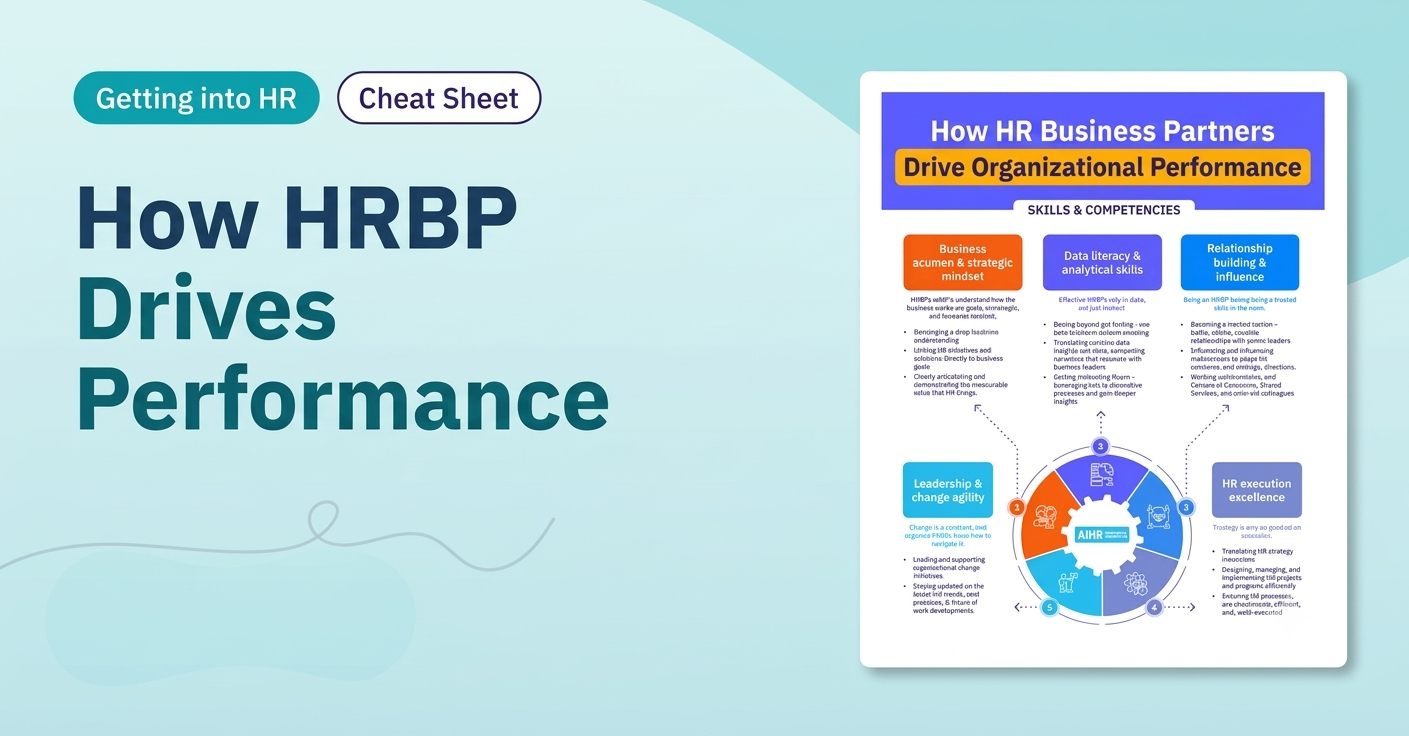
The role of HR Business Partners is expected to continue evolving as organizations adopt new technologies, develop skills-based workforce strategies, and respond to changing employee expectations. Future HRBPs will increasingly need to combine human resource expertise with business acumen, data interpretation, change management, and technology awareness.
Artificial intelligence and workforce analytics may help HRBPs identify emerging talent needs, streamline HR processes, and provide leaders with more timely workforce insights. However, these technologies should complement rather than replace professional judgment. Decisions involving employee development, performance, recruitment, and workforce planning require appropriate context, transparency, privacy safeguards, and human oversight.
Skills-based talent management is another important development. Instead of relying exclusively on job titles and traditional career paths, organizations are increasingly interested in understanding the skills employees possess and how those skills can be applied to emerging business needs. HR Business Partners can help identify transferable capabilities, support internal mobility, and develop reskilling strategies that prepare employees for changing responsibilities.
The growing importance of organizational agility will also increase the need for HRBPs who can help leaders respond to market changes without losing sight of employee engagement and long-term capability development. Their ability to connect workforce insights with business strategy will remain an important source of organizational value.
As the business environment becomes more complex, HR Business Partners who continuously develop their strategic, analytical, and interpersonal capabilities will be better equipped to help organizations build adaptable workforces and achieve sustainable performance.
Conclusion
HR Business Partners play an important role in connecting human resource management with organizational strategy and business performance. By working closely with business leaders, they help organizations align workforce planning with business objectives, strengthen talent management, improve employee engagement, and develop effective leadership capabilities. Their contributions also extend to HR analytics, performance management, organizational change, workplace collaboration, and the development of a productive organizational culture.
The effectiveness of HR Business Partners depends on their ability to understand business challenges, interpret workforce information, build trusted relationships, and translate insights into practical action. Organizations that provide HRBPs with the right tools, reliable data, leadership access, and strategic responsibilities can make better-informed workforce decisions and respond more effectively to changing business requirements.
Ultimately, HR Business Partners drive organizational performance by ensuring that people strategies support measurable business outcomes. As organizations continue to navigate digital transformation, workforce changes, and increasing competition, the strategic partnership between HR and business leadership will remain essential for building resilient teams, improving operational effectiveness, and achieving sustainable growth.
