



Introduction
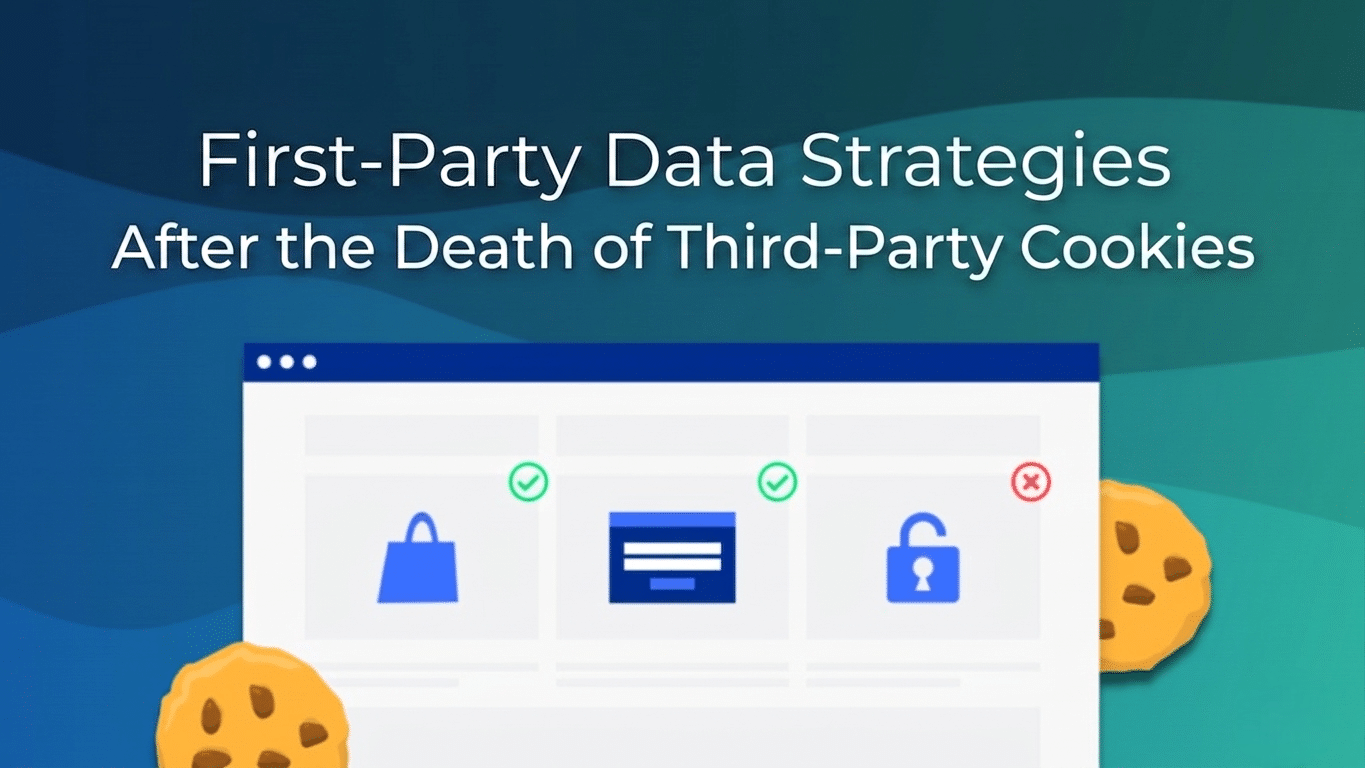
The digital marketing landscape is undergoing one of the biggest transformations in recent years as third-party cookies gradually disappear. Major browsers and privacy regulations are changing how businesses collect, manage, and use customer data. For B2B marketers, this shift is not just a technical adjustment—it is a strategic opportunity to build stronger, more trusted relationships with customers through first-party data.
First-party data refers to the information businesses collect directly from their audiences through websites, landing pages, forms, email interactions, webinars, CRM systems, customer portals, surveys, and other owned channels. Unlike third-party data, which is collected from external sources, first-party data is accurate, permission-based, and privacy-compliant. As organizations focus more on personalization and customer experience, first-party data is becoming the foundation of modern B2B marketing strategies.
Companies that successfully adapt to this transition will gain a competitive advantage by delivering personalized experiences while maintaining customer trust and regulatory compliance.
Understanding the Shift Away from Third-Party Cookies
Third-party cookies have long been used to track users across websites, helping advertisers deliver targeted advertisements and analyze online behavior. However, growing concerns about data privacy and increasing government regulations have pushed technology companies toward a privacy-first internet ecosystem.
Consumers today are more aware of how their data is being collected and used. Regulations such as GDPR, CCPA, and other global privacy laws require businesses to be more transparent about data practices. Browsers like Google Chrome, Safari, and Firefox are also limiting or eliminating third-party cookie tracking.
As a result, marketers can no longer rely heavily on external tracking systems for audience targeting and campaign optimization. This has accelerated the adoption of first-party data strategies that focus on direct customer engagement and consent-based data collection.
Why First-Party Data Matters More Than Ever
First-party data offers several advantages that make it essential in the modern B2B environment. Since the data comes directly from customer interactions, it tends to be more reliable and relevant compared to third-party sources.
Organizations can use first-party data to understand buyer intent, personalize communication, improve customer experiences, and build long-term relationships. More importantly, it allows businesses to operate within privacy regulations while maintaining marketing effectiveness.
Some key benefits of first-party data include:
- Higher data accuracy and reliability
- Better compliance with privacy regulations
- Improved customer trust and transparency
- Enhanced personalization opportunities
- Stronger lead nurturing and customer retention
- Better integration with CRM and marketing automation platforms
Companies that invest early in first-party data infrastructure are positioning themselves for long-term marketing success in a privacy-focused digital ecosystem.
Building a Strong First-Party Data Collection Strategy
A successful first-party data strategy begins with creating meaningful interactions that encourage users to voluntarily share their information. Businesses must focus on offering value in exchange for customer data.
One of the most effective approaches is developing high-quality content assets such as whitepapers, webinars, industry reports, eBooks, newsletters, and research studies. When users see genuine value in the content, they are more likely to provide their contact information through forms and registrations.
Website optimization also plays a major role in first-party data collection. Businesses should create user-friendly experiences that encourage visitors to engage with forms, subscribe to newsletters, request demos, or participate in surveys. Interactive tools such as calculators, assessments, and quizzes can also help gather valuable customer insights.
Another important aspect is collecting behavioral data from owned digital channels. This includes website visits, content downloads, email engagement, product usage, and customer support interactions. Combining these data points helps businesses create detailed customer profiles and improve targeting accuracy.
The Role of CRM and Customer Data Platforms (CDPs)
Managing first-party data effectively requires the right technology infrastructure. Customer Relationship Management (CRM) systems and Customer Data Platforms (CDPs) are becoming essential tools for modern B2B organizations.
A CRM system helps businesses organize customer interactions, sales activities, and communication history. Meanwhile, a CDP centralizes customer data from multiple channels into a unified profile, allowing marketers to better understand customer behavior and preferences.
By integrating CRM systems with marketing automation platforms, businesses can create highly personalized campaigns based on real customer actions and interests. This integration improves lead scoring, segmentation, email targeting, and campaign performance.
Organizations that unify their customer data systems can achieve a more complete view of the buyer journey, enabling more accurate decision-making and stronger customer engagement.
Creating Personalized Experiences with First-Party Data
Personalization has become a critical factor in B2B marketing success. Modern buyers expect relevant content, tailored communication, and seamless digital experiences throughout their journey.
First-party data enables businesses to personalize interactions based on user behavior, industry, job role, content preferences, and engagement history. Instead of relying on generic marketing campaigns, companies can deliver targeted messaging that aligns with each prospect’s specific needs and interests.
For example, a technology company can send customized email campaigns based on the type of content a prospect has downloaded or the webinars they attended. Similarly, websites can dynamically display personalized recommendations, case studies, or product information based on visitor behavior.
Effective personalization not only improves customer experience but also increases conversion rates, engagement levels, and customer loyalty.
Leveraging Email Marketing and Owned Media Channels
As third-party tracking declines, owned media channels are becoming increasingly important for B2B marketers. Email marketing remains one of the most valuable channels for nurturing leads and maintaining direct communication with prospects.
Businesses should focus on growing high-quality email subscriber lists through valuable content offers and gated resources. Segmented email campaigns based on first-party data can significantly improve open rates, click-through rates, and lead conversions.
In addition to email marketing, companies should invest in other owned channels such as:
- Company blogs
- Customer communities
- Webinars and virtual events
- Mobile applications
- Customer portals
- Social media communities
- SMS and push notifications
Owned channels provide greater control over customer relationships and reduce dependency on external advertising platforms.
Consent Management and Data Privacy Compliance
Privacy and transparency are now essential components of digital marketing strategies. Businesses must ensure that customers understand how their data is being collected, stored, and used.
Consent management platforms help organizations maintain compliance with privacy regulations while building trust with customers. Clear opt-in forms, transparent privacy policies, and preference management tools are critical for maintaining ethical data practices.
Organizations should also implement strong data governance policies to ensure data security, quality, and proper usage across departments. Building trust through transparent data practices can strengthen customer relationships and improve brand reputation.
Using AI and Predictive Analytics with First-Party Data
Artificial intelligence and predictive analytics are helping businesses maximize the value of first-party data. AI-powered tools can analyze customer behavior patterns, predict buying intent, and identify high-value prospects.
Predictive analytics allows marketers to anticipate customer needs and deliver proactive engagement strategies. Businesses can use AI-driven insights to improve lead scoring, automate personalization, optimize content recommendations, and forecast campaign performance.
As AI technologies continue evolving, organizations with strong first-party data ecosystems will have a significant advantage in creating intelligent and data-driven marketing strategies.
Challenges Businesses May Face
While first-party data strategies offer many advantages, businesses may also encounter several challenges during implementation. Transitioning away from third-party cookies requires investment in technology, internal processes, and customer engagement strategies.
Some common challenges include:
- Integrating data across multiple platforms
- Maintaining data quality and accuracy
- Achieving customer trust and consent
- Managing compliance with evolving privacy laws
- Building internal data expertise
- Scaling personalization efforts effectively
Organizations that address these challenges proactively will be better prepared for the future of privacy-focused marketing.
Conclusion
The end of third-party cookies marks a major turning point in the digital marketing industry. Instead of relying on external tracking systems, businesses must now focus on building direct and trusted relationships with their audiences through first-party data strategies.
By investing in data collection infrastructure, CRM and CDP integration, personalized experiences, consent management, and AI-driven analytics, B2B organizations can create more effective and privacy-compliant marketing ecosystems. First-party data not only improves targeting accuracy and customer engagement but also strengthens brand trust in an increasingly privacy-conscious world.
As digital privacy regulations continue to evolve, companies that prioritize transparency, customer value, and owned data strategies will be best positioned for long-term success in the future of B2B marketing.
