



The Changing Landscape of B2B Sales
The B2B sales environment has undergone a major transformation driven by digitalization, access to information, and evolving buyer expectations. Today’s B2B buyers complete a significant portion of their research online before ever speaking to a salesperson. They compare solutions, read reviews, and evaluate competitors independently. As a result, traditional sales tactics alone are no longer sufficient. Businesses must now decide how to balance inbound and outbound sales approaches to stay relevant and competitive in a buyer-led marketplace.
What Is Inbound Sales?
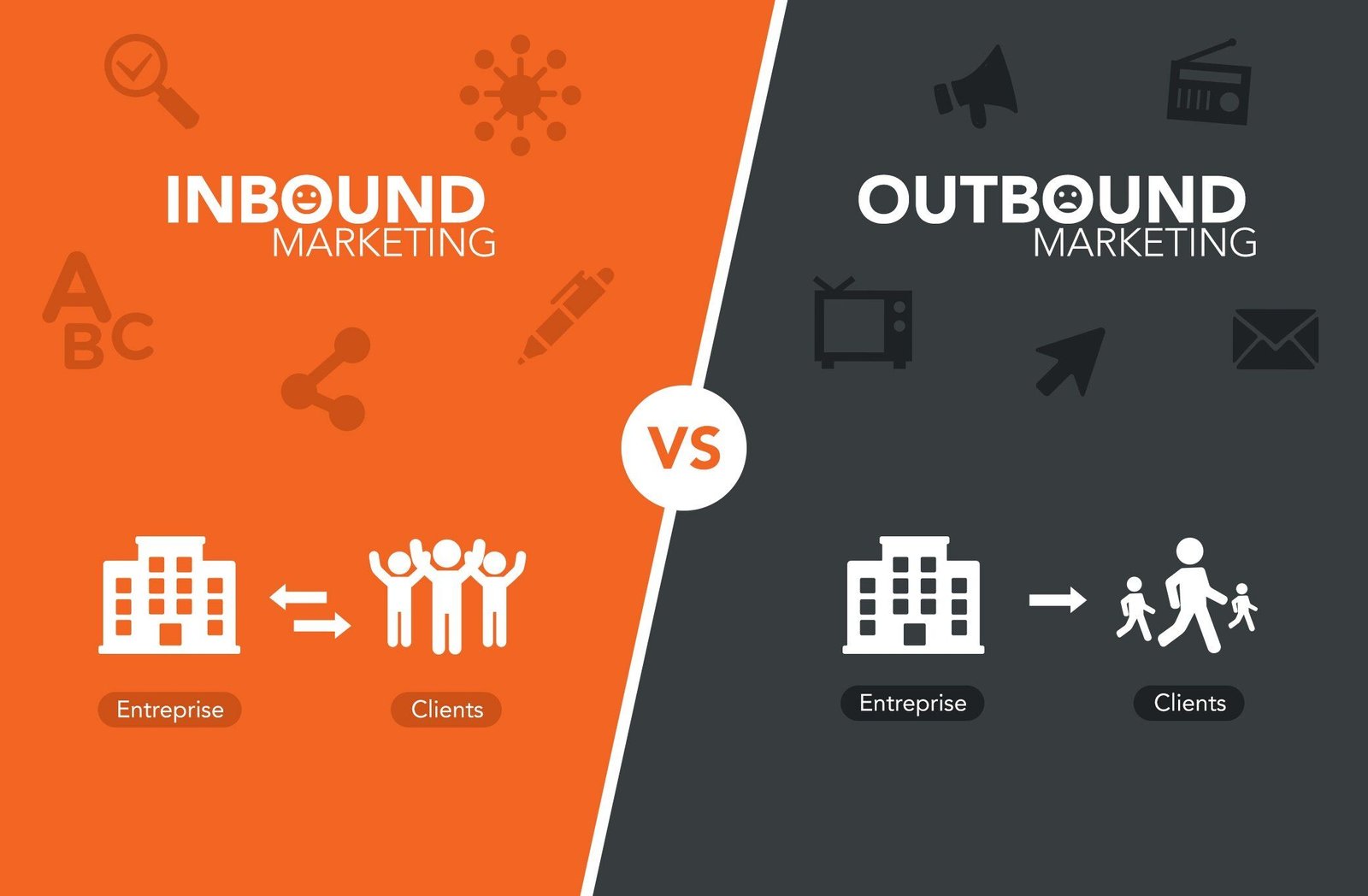
Inbound sales is a customer-centric approach that attracts prospects through valuable and relevant content. It relies on channels such as blogs, search engine optimization (SEO), webinars, whitepapers, social media, and email nurturing. Instead of interrupting buyers, inbound sales supports them during their decision-making process. Sales teams engage prospects only after they have shown interest, ensuring conversations are timely, personalized, and aligned with the buyer’s needs.
Benefits of Inbound Sales for B2B
Inbound sales is particularly effective in B2B because it builds trust early in the buying journey. Prospects who engage through inbound channels are often more informed and motivated, which leads to higher-quality conversations. Over time, inbound also reduces customer acquisition costs by generating organic leads continuously. For companies with complex solutions, inbound sales helps educate buyers, shorten decision uncertainty, and position the brand as a trusted industry authority.
What Is Outbound Sales?
Outbound sales takes a proactive approach by directly reaching out to potential customers. This includes cold emailing, cold calling, LinkedIn outreach, paid account-based campaigns, and event-driven follow-ups. Outbound sales allows companies to identify specific organizations and decision-makers that match their ideal customer profile. Rather than waiting for demand, outbound teams create opportunities by initiating conversations with prospects who may not yet be actively searching for a solution.
Benefits of Outbound Sales for B2B
Outbound sales offers speed and precision, which are critical in many B2B scenarios. It enables sales teams to target high-value accounts, penetrate enterprise organizations, and influence buying committees directly. For startups, new product launches, or companies entering new markets, outbound sales is often the fastest way to generate pipeline. When executed with personalized messaging and data-driven targeting, outbound can deliver strong ROI and predictable revenue growth.
Challenges of Inbound Sales
Despite its advantages, inbound sales requires patience and long-term commitment. Creating high-quality content, optimizing for search engines, and nurturing leads takes time and resources. Results are not immediate, which can be challenging for organizations seeking quick revenue wins. Additionally, inbound leads still require effective qualification and follow-up; without a strong sales process, even high-intent leads may fail to convert.
Challenges of Outbound Sales
Outbound sales faces increasing resistance as buyers become more selective and overwhelmed by outreach. Generic messages, poor timing, and lack of personalization can damage brand reputation and reduce response rates. Outbound also depends heavily on skilled sales professionals who can handle objections and build rapport quickly. Without proper training, targeting, and analytics, outbound efforts can become costly and inefficient.
Which Approach Works Best for B2B Today?
The effectiveness of inbound versus outbound sales depends on several factors, including industry, deal size, sales cycle length, and buyer maturity. Inbound sales works well for companies with strong digital presence and educational content, while outbound sales is ideal for high-ticket, complex, or niche offerings. Rather than choosing one over the other, B2B organizations should align their approach with their revenue goals, customer profiles, and market conditions.
The Rise of Hybrid Sales Models
Modern B2B sales teams increasingly adopt hybrid models that combine inbound and outbound strategies. Inbound channels generate awareness and warm leads, while outbound efforts accelerate pipeline growth and engage high-value accounts. This integrated approach allows sales teams to maximize reach, improve conversion rates, and maintain consistent revenue flow. Hybrid models also create flexibility, enabling businesses to adapt quickly to market changes.
Key Differences Between Inbound and Outbound Sales
- Inbound sales attracts buyers through content and value-driven engagement
- Outbound sales initiates contact through direct, proactive outreach
- Inbound focuses on long-term brand building and trust
- Outbound prioritizes speed, control, and targeted account engagement
- Inbound depends on buyer intent, while outbound creates demand
Conclusion
Inbound and outbound sales each play a critical role in modern B2B growth strategies. Inbound sales builds credibility, nurtures trust, and supports long-term scalability, while outbound sales delivers faster results and targeted market penetration. The most successful B2B organizations do not view them as competing methods but as complementary forces. By combining inbound and outbound sales strategically, businesses can create a balanced, resilient, and high-performing revenue engine suited for today’s competitive B2B landscape.
